
Dog tooth extraction is one of the most effective ways to relieve pain and prevent serious infection. When a tooth is too damaged, infected, or loose to save, dog dental surgery to remove it gives your dog a healthier, more comfortable mouth. If you’ve noticed your dog struggling to eat, pawing at their face, or simply not acting like themselves, their teeth may be the reason.
At Brinker Veterinary Hospital in Lake Orion, MI, our team sees dogs at every stage of dental disease. This blog will help you recognize when dogs need tooth extraction, what the procedure involves, and how to support your dog’s recovery can help you feel confident and prepared every step of the way.
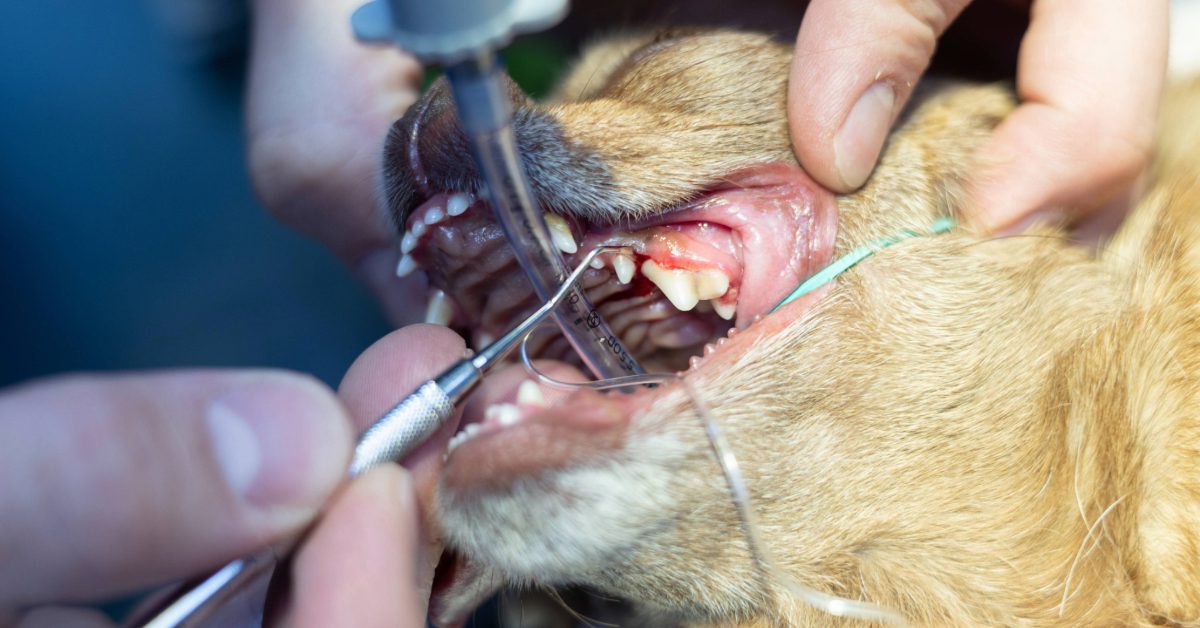
Why Dogs Sometimes Need Tooth Extractions
A dog tooth extraction becomes necessary when a tooth is no longer healthy enough to stay in the mouth. Leaving a diseased or damaged tooth in place doesn’t just cause pain, it creates a source of chronic infection that can affect surrounding teeth and even spread to other parts of the body. Dog dental surgery removes that source of infection and gives your dog a fresh start.
Advanced Periodontal Disease
Periodontal disease is the most common reason dogs need tooth extraction. It starts with plaque and tartar accumulation, progresses to gum inflammation, and eventually destroys the bone and ligaments that hold teeth in place. When a tooth has lost too much of its supporting structure, dog dental surgery is the appropriate treatment. Cleaning around the tooth is no longer enough.
Broken or Fractured Teeth
Dog broken tooth treatment depends on how severe the fracture is. Teeth that are cracked at the crown but have an intact root may be candidates for root canal therapy in some cases. However, when the fracture extends into the root, when the pulp is exposed and infected, or when the tooth is already compromised, dog tooth extraction is typically the recommended course of action.
Tooth Abscesses
An abscessed tooth is a serious, painful condition in which infection forms at the root of the tooth. It can cause facial swelling, drainage, and significant discomfort. Dog dental surgery to extract the affected tooth and address the surrounding infection is typically required to fully resolve an abscess.
Retained Baby Teeth
When a puppy’s baby teeth don’t fall out on their own as the adult teeth come in, the crowding and abnormal alignment that result can cause bite problems and increase the risk of dental disease. Extraction of retained deciduous teeth is a straightforward form of dog dental surgery typically performed early in a dog’s life to protect long-term oral health.
Signs Your Dog May Need Dental Surgery
Dogs often hide dental pain, so it’s easy to miss the early signs that something is wrong in their mouth. By the time owners notice obvious discomfort, the problem has usually been building for a while. Our team at Brinker Veterinary Hospital encourages dog owners to watch for the following signs and schedule a dental exam if anything seems off.
Reluctance to Eat or Chew
A dog with a painful tooth may drop food while chewing, favor one side of the mouth, or lose interest in hard food or chew toys they previously loved. Some dogs appear hungry but hesitate at the bowl. Any significant change in eating behavior deserves a veterinary look.
Persistent Bad Breath
All dogs have some degree of “dog breath,” but a foul or unusually strong odor, especially one that seems to appear suddenly or worsen over time, can indicate infection, decay, or advanced periodontal disease that may require dog tooth extraction to fully address.
Facial Swelling or Discharge
Swelling below the eye, around the jaw, or anywhere on the face can indicate a dental abscess. Some dogs also develop a draining tract, which is a small opening in the skin near the jaw from which fluid drains. Both warrant prompt evaluation and, in many cases, dog dental surgery to treat the underlying infection.
Pawing at the Face or Mouth
A dog that repeatedly paws at its muzzle or rubs its face along furniture or carpet may be responding to oral pain or irritation. While this can have other causes, dental discomfort, including pain from a tooth that may need extraction, is one of the most common.
Visible Changes in the Mouth
If you take a look inside your dog’s mouth and notice red or swollen gums, a discolored tooth (gray, pink, or brown rather than white), a cracked crown, or visible tartar buildup, it’s worth scheduling a dental evaluation. A discolored or visibly broken tooth in a dog often indicates the tooth is non-vital and may need removal.
What Happens During a Dog Tooth Extraction
Dog dental surgery is performed under general anesthesia, which is necessary for both safety and thoroughness. Anesthesia allows your veterinarian to perform a complete oral exam, take full-mouth dental X-rays, and carry out any needed dog tooth extractions without causing distress or pain. The procedure is more involved than many owners expect, and for good reason, doing it well protects your dog’s long-term health.
Pre-Surgical Assessment
Before dog dental surgery, your veterinarian will perform a pre-anesthetic physical exam and typically recommend bloodwork to check organ function and assess overall health. The Brinker Veterinary Hospital team uses this information to create the safest anesthetic protocol for your individual dog, taking into account age, breed, and any underlying health conditions.
Dental X-Rays and Examination
Full-mouth dental radiographs are a critical part of every dog dental surgery. The roots of a dog’s teeth, especially the large carnassial teeth, extend deep into the jaw, and what’s happening below the gumline can’t be assessed by visual inspection alone. X-rays reveal bone loss, root fractures, abscesses, and other issues that help determine when dogs need tooth extraction versus when a tooth can be saved.
The Extraction Itself
Dog tooth extraction technique depends on the tooth being removed. Single-rooted teeth may be removed with careful elevation and extraction. Multi-rooted teeth, like the large molars and premolars, are often sectioned into individual roots before extraction to minimize trauma. Once the tooth is out, the socket is thoroughly cleaned and the gum tissue is closed with dissolvable sutures.
Pain Control Throughout the Procedure
Pain management is a priority during and after dog dental surgery. Dogs typically receive local nerve blocks at the start of the procedure to minimize intraoperative pain and reduce the amount of anesthetic needed. Injectable and oral pain medications are also used to keep dogs comfortable through recovery. Many dogs are noticeably more comfortable and energetic within a day or two of having a painful tooth removed.
Recovery After Dental Surgery
Most dogs bounce back quickly after dog tooth extraction, often faster than their owners expect. The recovery process is straightforward for the majority of patients, and your veterinarian will give you clear instructions to follow at home. Paying attention to those guidelines during the first few days after dog dental surgery makes a meaningful difference in how well and how quickly your dog heals.
The First Day Home
Your dog may be tired and a bit groggy when they arrive home after dog dental surgery, which is a completely normal response to anesthesia. Set them up in a quiet, comfortable area and give them time to rest. Offer soft food and fresh water, and don’t be concerned if they aren’t very hungry the first evening. Keeping activity low for the rest of the day helps the anesthetic wear off smoothly.
Medications and Restricted Activity
The Brinker Veterinary Hospital team will provide take-home medications, which typically include a short course of pain relievers and, in some cases, antibiotics. Give all medications exactly as directed and complete the full antibiotic course if one is prescribed. Restrict chewing on hard items, bones, and chew toys until the extraction sites have fully healed.
When to Call the Vet
Reach out to Brinker Veterinary Hospital if you notice any of the following during your dog’s recovery from tooth extraction:
- Refusal to eat or drink for more than 24 hours after surgery
- Significant bleeding, discharge, or swelling in or around the mouth
- Signs of severe pain, including whimpering, restlessness, or extreme lethargy
- Vomiting that persists beyond the first day
- Any behavior or symptom that seems unusual or worrisome
What You Can Do to Prevent Future Dental Problems
Once your dog has recovered from dog dental surgery, the goal is to protect the teeth that remain and reduce the likelihood of needing additional dog tooth extractions in the future. Good dental care at home, combined with regular professional cleanings, makes a real difference in your dog’s long-term oral health.
Regular Professional Dental Cleanings
Professional dental cleanings under anesthesia allow your veterinarian to remove tartar below the gumline, probe for periodontal pockets, and take X-rays to catch problems before they require dog dental surgery. How often your dog needs a professional cleaning depends on their size, breed, and individual oral health history. Smaller breeds and flat-faced dogs often need more frequent cleanings due to tooth crowding.
Daily Toothbrushing
Daily brushing with a dog-safe toothpaste is the single most effective way to reduce plaque buildup between professional cleanings. If your dog doesn’t tolerate a brush, ask the Brinker Veterinary Hospital team about alternatives such as dental water additives, enzymatic dental chews, or diets and rinses approved by the Veterinary Oral Health Council (VOHC). Consistency matters more than perfection.
Choosing Safe Chew Items
Hard chew items are one of the most common causes of broken teeth in dogs. As a general rule, if you wouldn’t want to be hit on the knee with it, it’s probably too hard for your dog’s teeth. Avoid real bones, antlers, hard nylon chews, and ice cubes. Opt for softer dental chews and toys that clean teeth without putting them at risk. This simple swap in habits can help prevent the need for future dog broken tooth treatment.
A Healthy Mouth Means a Happier, More Comfortable Dog
Dental pain is one of the most underrecognized sources of discomfort in dogs. Because they can’t tell us their mouths hurt, dental disease often goes untreated far longer than it should. Dog tooth extraction, when it’s needed, isn’t a setback, it’s a solution. Removing a painful, diseased tooth gives your dog relief they may have been living without for months.
If you’re concerned about your dog’s oral health or want to know whether dog dental surgery might be appropriate, contact Brinker Veterinary Hospital in Lake Orion, MI at (248) 693-1677. Our team is here to walk you through every step, from the initial dental exam to recovery and beyond.
Recent Posts
About Us
At Brinker Veterinary Hospital we foster long, healthy lives with low-stress care and an array of services. Our team can’t wait to meet you and become a trusted partner in the care of your animal family member!