
Cat dental surgery is sometimes the most effective way to relieve pain, stop infection, and restore your cat’s quality of life. When feline dental disease progresses beyond what cleaning and monitoring can manage, surgical treatment, including cat tooth extraction, becomes necessary to protect your pet’s overall health. If you’ve noticed changes in how your cat eats, grooms, or acts, their mouth may be the place to start looking. At Brinker Veterinary Hospital in Lake Orion, MI, our veterinary team sees feline dental disease at every stage. Let’s walk through what you need to know.
Common Dental Problems in Cats
Cats are remarkably good at hiding discomfort, which makes feline dental disease easy to overlook. By the time a cat shows obvious signs of mouth pain, the problem has often been developing for months or even years. Several oral health conditions commonly affect cats and may eventually require cat dental surgery to resolve.
Periodontal Disease
Periodontal disease is the most widespread dental condition in cats. It starts as plaque and tartar buildup along the gumline and progresses to inflammation, infection, and eventually destruction of the bone and tissue that support the teeth. Cats with advanced periodontal disease often require cat tooth extraction to remove teeth that can no longer be saved.
Tooth Resorption
Feline tooth resorption is a painful condition unique to cats in which the tooth structure begins to break down from the inside out. The cause isn’t fully understood, but the result is a tooth that becomes fragile, sensitive, and ultimately non-viable. Cat dental surgery, specifically extraction, is typically the only effective treatment for affected teeth.
Stomatitis
Feline stomatitis is a severe, painful inflammation of the entire mouth lining. It’s often linked to an abnormal immune response to plaque and is notoriously difficult to manage with medication alone. Many cats with stomatitis require full-mouth or partial-mouth cat tooth extraction as part of their long-term cat dental treatment plan.
Broken or Fractured Teeth
A cracked or broken tooth exposes the sensitive inner pulp to bacteria, leading to pain and infection. Depending on the severity of the fracture and the overall health of the tooth, cat dental surgery may include extraction or in select cases root canal therapy performed by a veterinary dental specialist.
Signs Your Cat May Need Dental Surgery
Because cats mask pain so well, it’s important to know what behavioral and physical changes to watch for. Many of the signs of feline dental disease are subtle at first but become more noticeable as the condition worsens. If you notice any of the following, it’s time to schedule a dental exam at Brinker Veterinary Hospital.
Changes in Eating Habits
A cat with oral pain may drop food while chewing, chew only on one side of the mouth, or show a sudden preference for soft food over dry kibble. Some cats stop eating altogether when the pain becomes severe. Any unexplained change in how your cat eats warrants a veterinary evaluation.
Pawing at the Face or Mouth
A cat that repeatedly paws at its face or rubs its muzzle against surfaces may be responding to dental discomfort. While this can have other causes, oral pain, including pain from a tooth that may need extraction, is a common trigger.
Bad Breath
A mild “cat food” odor is normal, but persistent, strong, or foul-smelling breath is not. Bad breath in cats is often a sign of bacterial buildup, infection, or decaying tissue, all of which may indicate the need for cat dental treatment or surgical intervention.
Drooling and Facial Swelling
Excessive drooling, especially when it’s blood-tinged, and any swelling around the jaw or face are red flags. These signs can indicate an abscess or active infection that requires prompt cat dental surgery to drain and treat.
Behavioral Changes
Cats in chronic pain often become quieter, less playful, or more irritable. If your typically social cat has started avoiding interaction or reacting defensively when you touch their face, oral discomfort may be the reason.
What Happens During Feline Dental Procedures
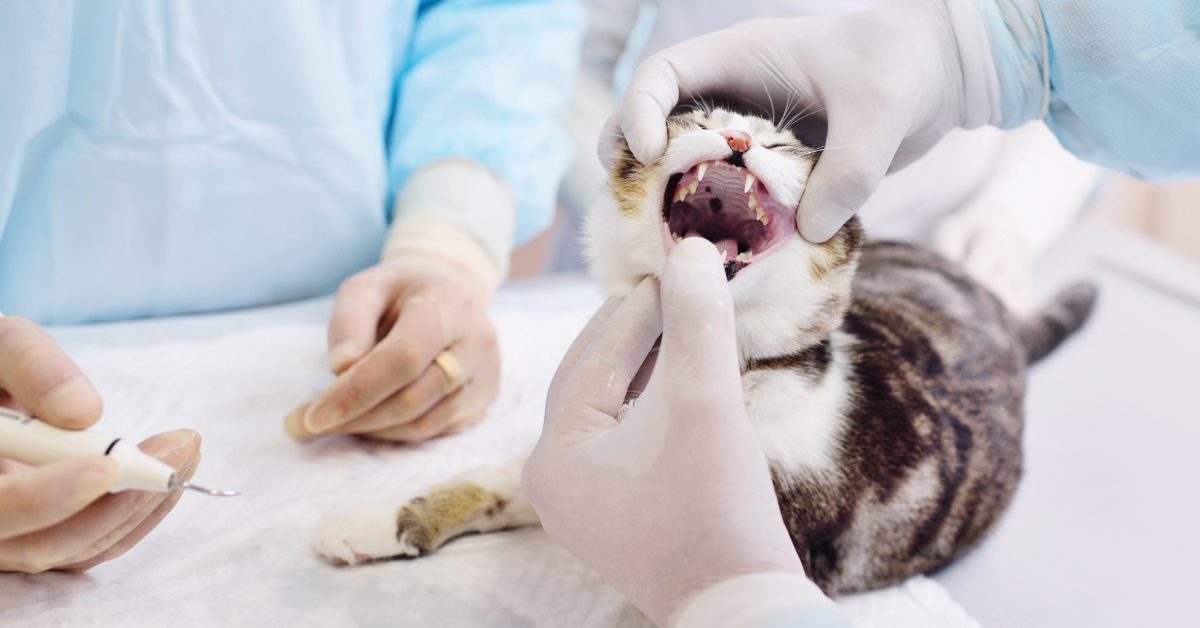
Understanding what cat dental surgery involves can help ease the anxiety that many pet owners feel before their cat’s procedure. Feline dental procedures are performed under general anesthesia. This is non-negotiable for thorough, safe examination and treatment. Anesthesia allows our veterinary team to take full-mouth dental X-rays, probe each tooth, and perform cat tooth extraction or other necessary treatments without causing distress to your pet.
Pre-Anesthetic Evaluation
Before cat dental surgery, your veterinarian will perform a pre-anesthetic exam and recommend bloodwork to assess organ function and confirm your cat is healthy enough for anesthesia. The team at Brinker Veterinary Hospital takes pre-surgical evaluation seriously because it allows for the safest possible anesthetic protocol for each individual patient.
Dental X-Rays and Oral Exam
Full-mouth dental radiographs are a critical part of feline dental care. Up to 70% of each tooth sits below the gumline and is invisible without X-rays. These images reveal bone loss, root resorption, abscesses, and other problems that determine whether cat tooth extraction or another form of cat dental treatment is the right approach.
The Extraction Process
When cat dental surgery includes tooth extraction, your veterinarian carefully loosens and removes the affected tooth, and in some cases, the tooth roots individually. Feline tooth resorption, for example, often requires surgical extraction rather than a simple pull. Once the tooth is removed, the socket is cleaned and typically closed with dissolvable sutures to promote healing.
Pain Management
Effective pain control is a priority in feline dental procedures. Your cat will typically receive local anesthetic nerve blocks during the procedure, along with systemic pain medication to keep them comfortable during recovery. Cats often feel noticeably better very quickly after a painful tooth is removed. Many owners are surprised by how much more active and affectionate their cat becomes.
Recovery and Home Care After Surgery
Most cats recover well from cat dental surgery, and many start acting like themselves again within a day or two. The recovery period after a cat tooth extraction or other feline dental procedures is usually straightforward, but following your veterinarian’s post-operative instructions carefully makes a real difference in how smoothly healing goes.
The First 24–48 Hours
Your cat may be groggy or disoriented when they come home after cat dental surgery. This is normal and expected after anesthesia. Keep them in a quiet, comfortable space and limit activity while the anesthetic wears off. Offer soft, easy-to-chew food and fresh water, and don’t be alarmed if your cat has a reduced appetite for the first day.
Medications and Follow-Up
The Brinker Veterinary Hospital team will send you home with clear instructions and any necessary medications, which may include pain relievers and antibiotics. Give all medications as directed and complete the full course of antibiotics if prescribed. A follow-up appointment allows your veterinarian to confirm that healing is progressing as expected.
What to Watch For at Home
Contact Brinker Veterinary Hospital if you notice any of the following after your cat’s dental procedure:
- Refusal to eat or drink for more than 24 hours after surgery
- Excessive bleeding, swelling, or discharge from the mouth
- Signs of significant pain, such as crying, hiding, or extreme lethargy
- Vomiting that continues beyond the day of surgery
- Any behavior that seems unusual or concerning to you
Tips for Preventing Dental Disease in Cats
Not every case of feline dental disease can be prevented, but consistent oral care significantly reduces the risk of your cat needing cat dental surgery in the first place. Tooth resorption and stomatitis have genetic and immune components that make them difficult to avoid entirely, but periodontal disease, the most common feline dental condition, responds well to preventive care.
Routine Dental Cleanings
Professional dental cleanings under anesthesia are the gold standard for feline dental care. These cleanings remove tartar above and below the gumline, allow for a thorough oral exam and dental X-rays, and give your veterinarian the opportunity to catch early problems before they require cat dental surgery. How often your cat needs a cleaning depends on their individual oral health.
At-Home Oral Care
Daily toothbrushing with a pet-safe toothpaste is the most effective at-home strategy for reducing plaque and tartar buildup. If your cat won’t tolerate a brush, ask the team at Brinker Veterinary Hospital about dental rinses, water additives, or Veterinary Oral Health Council (VOHC)-approved dental treats and diets that can support oral hygiene between professional cleanings.
Annual Oral Exams
Even if your cat’s teeth look fine to you, an annual oral exam during your cat’s wellness visit gives your veterinarian the chance to spot early signs of feline dental disease. Early detection means more treatment options, and less chance that your cat will eventually need cat dental treatment beyond a cleaning.
Your Cat’s Mouth Matters More Than You May Realize
Dental health is deeply connected to your cat’s overall wellbeing. Chronic oral pain affects how cats eat, how they feel, and how they interact with the world around them. Feline dental disease that goes untreated doesn’t just affect the mouth, it can contribute to systemic health problems over time. Cat dental surgery, when it’s needed, isn’t something to fear. It’s one of the most effective ways to relieve pain and give your cat a better quality of life.
If you have concerns about your cat’s oral health or want to schedule a dental exam, call Brinker Veterinary Hospital in Lake Orion, MI at (248) 693-1677. Our team is here to help your cat feel their best, from routine prevention to full cat dental treatment when it’s needed most.
Recent Posts
About Us
At Brinker Veterinary Hospital we foster long, healthy lives with low-stress care and an array of services. Our team can’t wait to meet you and become a trusted partner in the care of your animal family member!