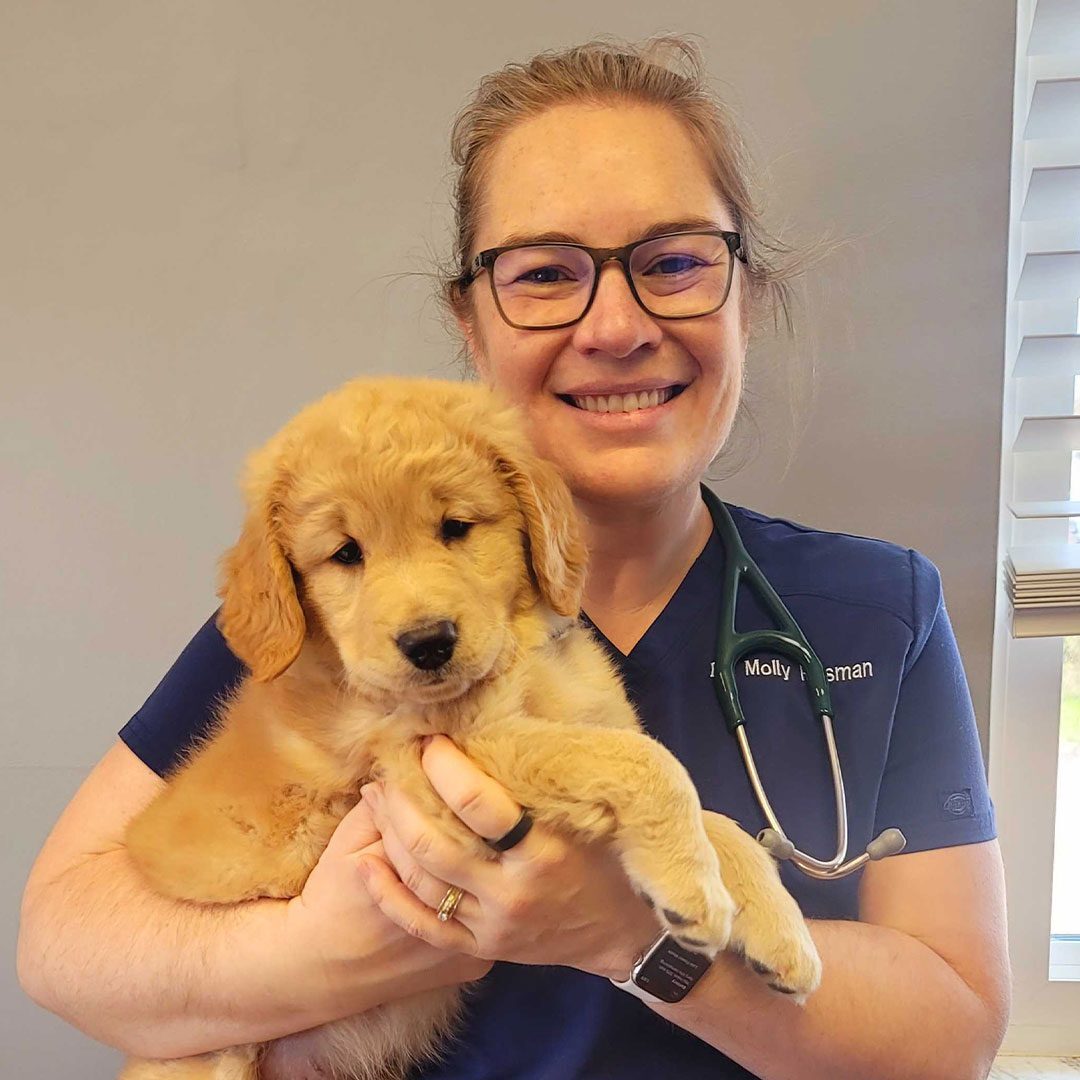
At Brinker Veterinary Hospital, our care for your pet does not end when surgery does. As devoted partners in your pet's journey to lifelong health, we want you to feel confident and supported through every stage of recovery at home. Whether your dog or cat had a routine spay or neuter, a dental procedure, or an advanced surgery with our board-certified veterinary surgeon, the guidance below will help you know what to expect, how to care for your pet, and when to reach out to our team.
If you have any questions about your pet's recovery, call us at (248) 693-1677. We are always happy to help.
What to Expect the First 24 Hours After Surgery
Most pets are a little sleepy, wobbly, or quieter than usual the evening after anesthesia. A reduced appetite, mild whining, or some clinginess are all normal as the medications wear off. Because we use fear-free, low-stress handling before, during, and after every procedure, many of our patients go home calmer than you might expect, but every pet recovers at their own pace.
Set your pet up in a quiet, comfortable spot indoors away from other pets and busy household activity. Offer a small meal and fresh water that evening unless we have advised otherwise. By the next morning, most pets are brighter and more like themselves.
Contact us right away if your pet seems extremely lethargic, has pale gums, is vomiting repeatedly, or collapses.
Caring for the Incision
Check your pet's incision twice a day for the length of the recovery period. A healthy incision looks clean and closed, with edges that may be slightly pink. Mild swelling or light bruising in the first few days is normal. Keep the incision dry, and do not bathe your pet or let them swim until we have cleared them at their recheck.
Call our animal hospital at (248) 693-1677 if you notice any of the following:
- Redness that spreads beyond the incision edges
- Thick yellow, green, or bloody discharge
- A foul odor coming from the site
- Swelling that increases instead of improving
- Heat around the surgical site
- Any gap or opening in the incision
Prevent Licking and Chewing
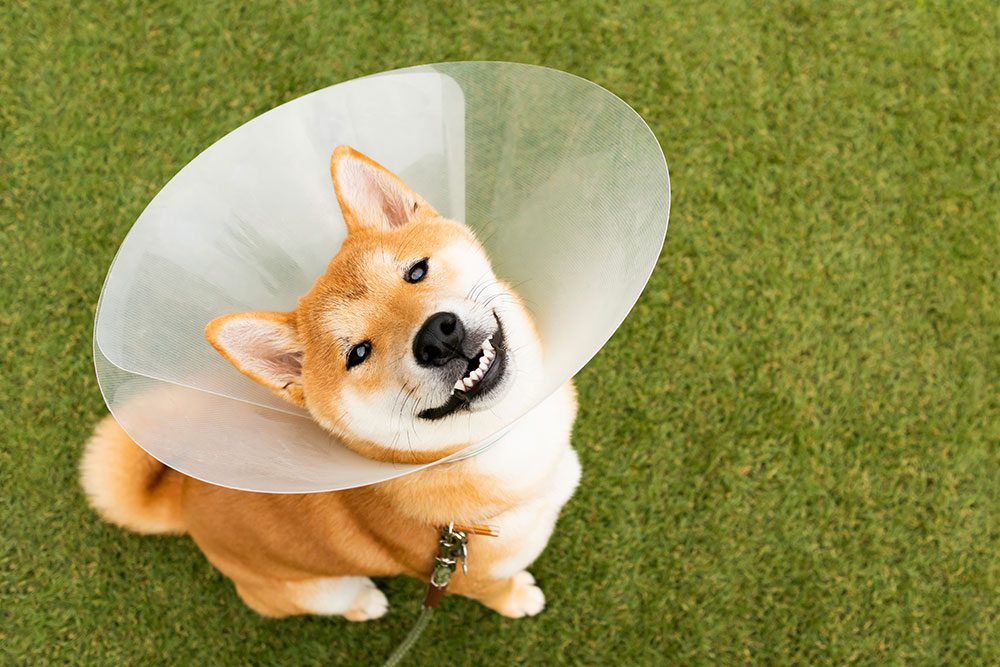
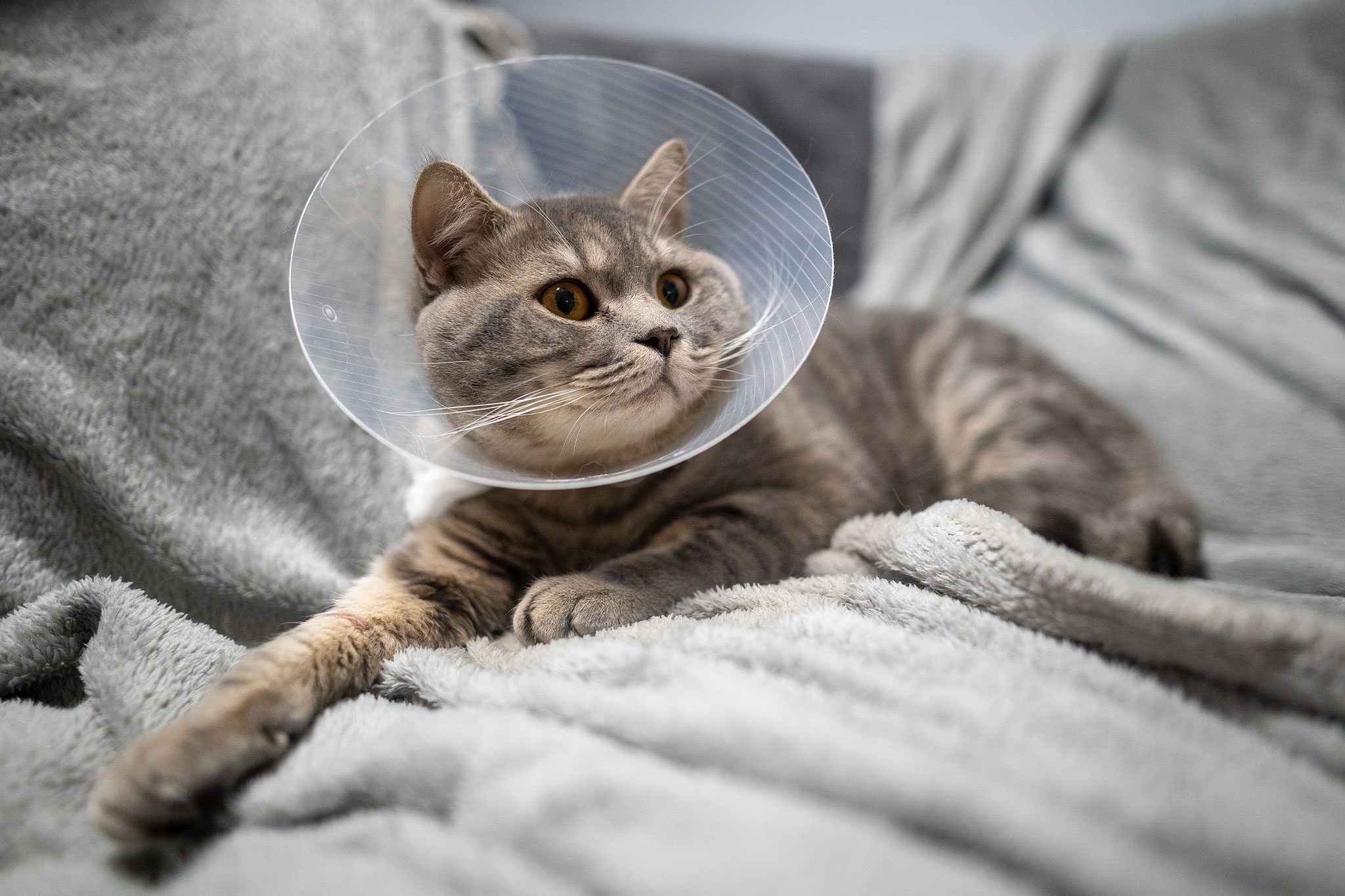
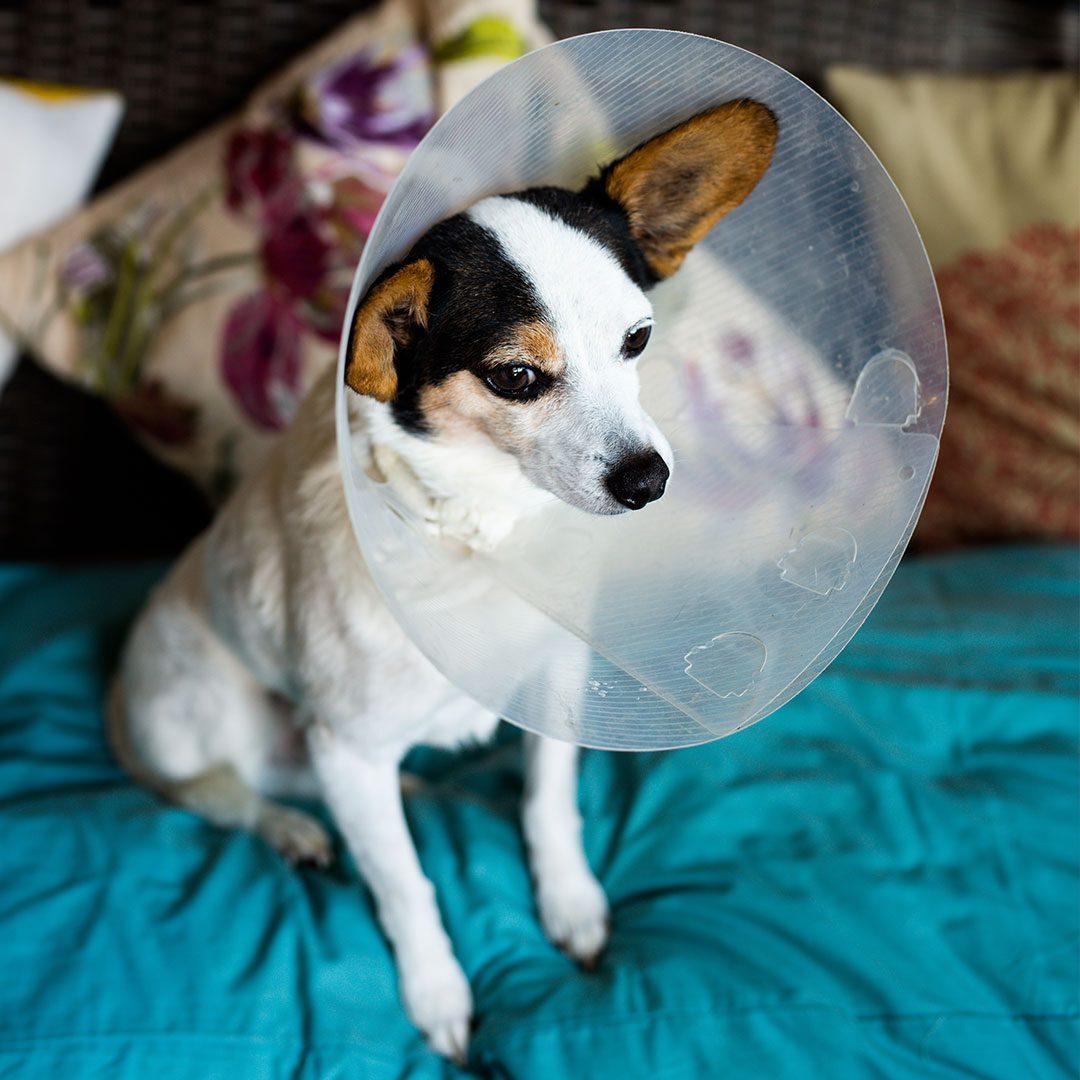
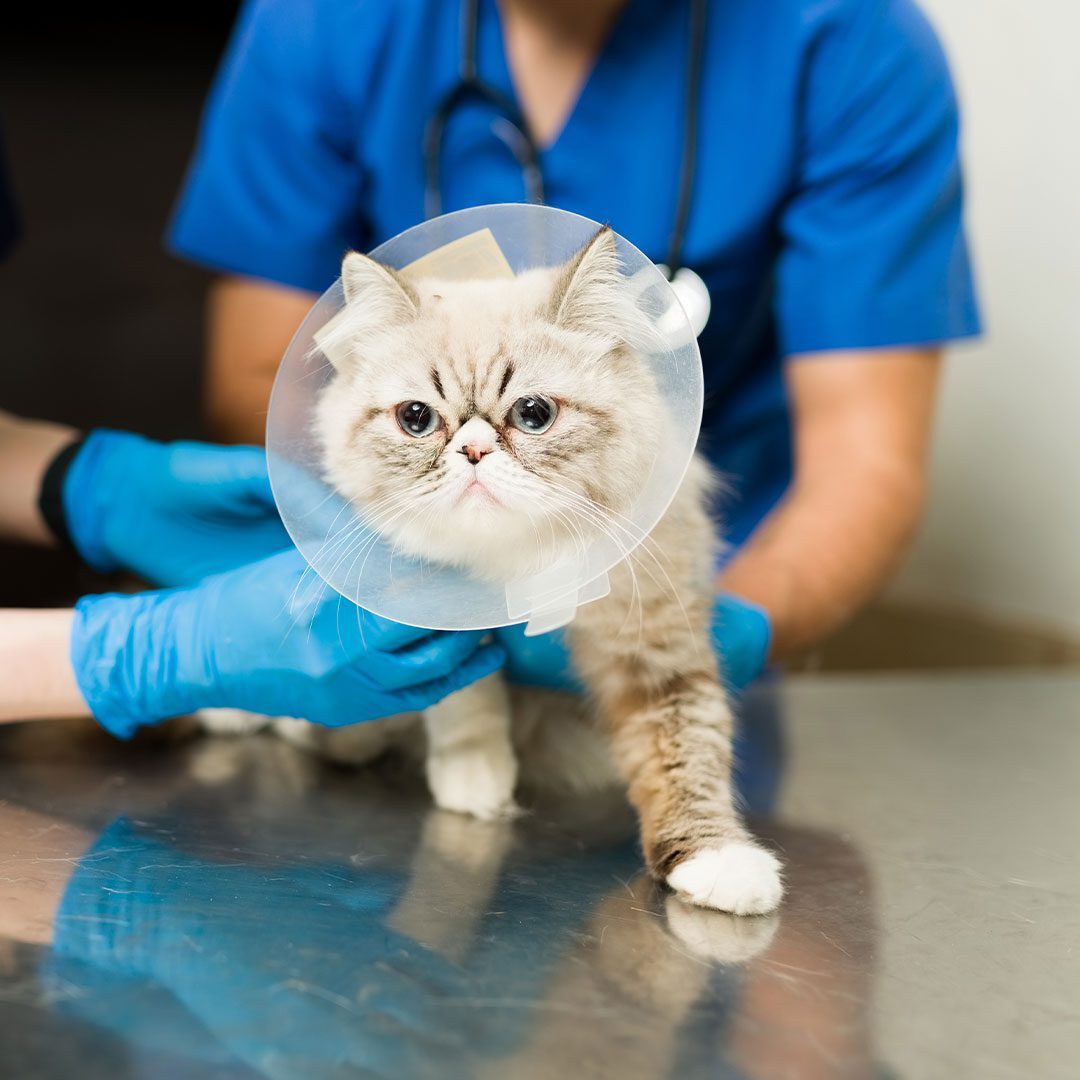
Licking is the most common reason incisions become infected or open up. Even a few minutes of grooming the area can undo days of healing. Your pet should wear their e-collar or recovery suit at all times, including while sleeping, unless our team tells you otherwise. We know the cone is not anyone's favorite accessory, but keeping it on for the full recovery period is one of the most important things you can do for a smooth recovery.
Caring for the Incision
Check your pet's incision twice a day for the length of the recovery period. A healthy incision looks clean and closed, with edges that may be slightly pink. Mild swelling or light bruising in the first few days is normal. Keep the incision dry, and do not bathe your pet or let them swim until we have cleared them at their recheck.
Call our animal hospital at (248) 693-1677 if you notice any of the following:
- Redness that spreads beyond the incision edges
- Thick yellow, green, or bloody discharge
- A foul odor coming from the site
- Swelling that increases instead of improving
- Heat around the surgical site
- Any gap or opening in the incision
Prevent Licking and Chewing
Licking is the most common reason incisions become infected or open up. Even a few minutes of grooming the area can undo days of healing. Your pet should wear their e-collar or recovery suit at all times, including while sleeping, unless our team tells you otherwise. We know the cone is not anyone's favorite accessory, but keeping it on for the full recovery period is one of the most important things you can do for a smooth recovery.
Medications and Pain Management
Keeping your pet comfortable is a core part of how we practice medicine. Your pet will go home with pain medication tailored to their procedure, size, and health history. Give all medications exactly as directed and finish the full course, even if your pet seems back to normal. Never give human pain relievers such as ibuprofen, acetaminophen, or aspirin, as these can be toxic to dogs and cats.
If your pet still seems painful on their medication, refuses to move, guards the surgical area, or will not eat, call us. We would much rather hear from you early than have your pet be uncomfortable at home.
When to Call Brinker Veterinary Hospital
You know your pet best. If something seems off, trust your instincts and reach out. Call us at (248) 693-1677 if your pet experiences:
- Redness, discharge, odor, or opening at the incision
- Vomiting or diarrhea lasting more than 24 hours
- Refusal to eat for more than a day
- Difficulty urinating or no stool within 48 hours
- Pain that is not controlled by prescribed medication
- Extreme lethargy, pale gums, or labored breathing
For urgent concerns after hours, please visit our Emergency page for guidance on where to seek immediate care.
Follow-Up Visits Are Part of the Plan
Recovery is not complete until we have seen your pet heal with our own eyes. Depending on the procedure, your pet's recovery plan may include an incision recheck around 10 to 14 days, suture or staple removal, progress X-rays for orthopedic patients, and adjustments to pain management or activity levels. These visits let us catch small concerns before they become big ones and give you a chance to ask questions along the way.
Recovery Support from a Team That Knows Your Pet
When you choose Brinker Veterinary Hospital for surgery in Lake Orion, MI, you get more than a procedure. You get thorough pre-surgical exams and blood work, anesthesia plans tailored to your pet, continuous monitoring throughout surgery, fear-free handling that lowers stress at every step, and a team that remains just a phone call away once you are home. From routine spays and neuters to advanced procedures with our board-certified surgeon, we are invested in your pet's full recovery, not just a successful surgery.