
If you’ve recently thought, “My cat is bloated but is acting fine,” you’re not alone. Many cat owners notice a swollen belly and assume everything is okay because their cat still eats, plays, and behaves normally. However, bloating in cats (whether mild or pronounced) often points to something happening beneath the surface. While it’s not always an emergency, a bloated appearance can signal digestive, hormonal, or fluid-related conditions that need professional evaluation. If your cat seems bloated but appears fine otherwise, it’s best to have them checked by your veterinarian at Brinker Veterinary Hospital in Lake Orion, MI, by calling (248) 693-1677.
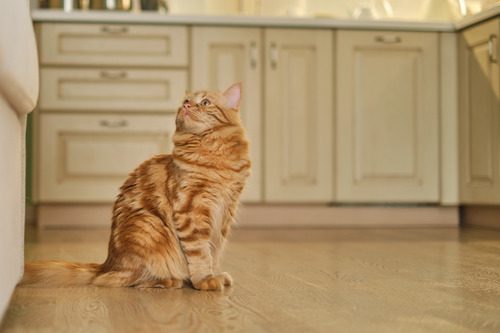
Why Your Cat Might Look Bloated but Act Normal
When you notice your cat is bloated but is acting fine, it can be confusing. Cats are skilled at hiding discomfort, so they may appear playful and content even if something isn’t right. A bloated belly doesn’t always mean your cat is sick, but it can be a sign of several underlying issues that develop gradually. Some of the most common causes of bloating in cats include digestive problems, internal parasites, organ enlargement, or even fluid buildup in the abdomen. These conditions can vary widely in severity and may not cause immediate behavioral changes. That’s why even if your cat seems fine, a veterinarian’s evaluation is the safest next step.
Common Reasons Cats Develop a Bloated Appearance
There are many reasons why you might notice that your cat is bloated but acting fine. Some causes are minor, while others are more serious and need veterinary attention to diagnose properly.
Digestive Gas and Temporary Bloating
Cats, like people, can develop temporary bloating due to trapped gas or mild indigestion. This may occur if they’ve eaten too quickly, swallowed air while eating, or experienced a mild dietary upset. These episodes are typically short-lived, but persistent bloating should always be evaluated by your veterinarian.
Overeating or Dietary Changes
Cats that overeat or suddenly change diets might develop a distended abdomen. If you recently switched your cat’s food or they’ve been sneaking extra meals, this could explain their bloated look. However, long-term bloating or recurring episodes indicate something more than simple overeating.
Internal Parasites
Parasites such as roundworms are a frequent cause of abdominal bloating in cats, particularly in kittens. Even if your cat acts normal, a swollen belly can result from internal parasites that cause gas buildup or intestinal inflammation. Routine deworming and fecal testing help prevent this issue.
Fluid Retention
When a cat’s abdomen fills with fluid (a condition known as ascites), it may make them appear bloated even if they act fine. This fluid buildup can stem from liver or heart disease, infections, or other internal health concerns that require professional diagnosis.
Obesity
If you find yourself saying, “My cat is bloated but is acting fine,” weight gain could be the reason. Obesity can make a cat’s midsection appear round or tight, giving the impression of bloating. Regular weight checks and veterinary guidance can help distinguish between fat accumulation and abdominal swelling.
Subtle Signs to Watch for Beyond a Bloated Belly
Cats often mask early symptoms of discomfort. If you’re noticing that your cat is bloated but acting fine, you should still keep an eye on subtle behavioral and physical changes. These small shifts can indicate the difference between a harmless change and a developing health condition.
Appetite and Eating Habits
Even if your cat is eating normally, monitor whether their appetite fluctuates. Over time, digestive or internal issues may cause them to eat less or show selective eating patterns.
Changes in Litter Box Behavior
Altered bowel movements, straining, or reduced urination are important clues. These symptoms, when paired with a bloated belly, could indicate gastrointestinal or urinary issues that need professional assessment.
Posture and Movement
A bloated cat may walk carefully or avoid jumping, even if they still play. Subtle stiffness or reluctance to move normally can signal abdominal discomfort.
Breathing or Resting Patterns
If your cat’s abdomen seems tight and you notice heavier breathing, take note. Even if your cat otherwise acts fine, shallow or rapid breathing combined with bloating warrants a prompt veterinary visit.
How Brinker Veterinary Hospital Can Help
When you visit Brinker Veterinary Hospital after noticing your cat is bloated, our team will perform a thorough physical exam and may recommend diagnostic tests to find the cause.
Physical Examination
Your veterinarian will feel your cat’s abdomen to check for fluid, firmness, or masses. They may also listen to their heart, lungs, and digestive system for irregularities.
Diagnostic Testing
Bloodwork, X-rays, or ultrasound imaging help identify what’s causing the bloating. These tools allow your veterinarian to see if the swelling is due to gas, fluid, fat, or an organ-related issue.
Medical History and Behavior
Sharing when you first notice the bloating, any diet changes, or behavioral shifts helps the veterinarian narrow down possible causes. Even if your cat appears perfectly normal, your observations provide valuable insight into their health.
Can a Cat Be Healthy and Still Look Bloated?
It’s possible for your cat to appear bloated and act normal, especially if they’re overweight or have mild digestive changes. However, just because your cat is acting fine shouldn’t be dismissed as normal. Cats’ resilience means they can behave normally until an issue becomes more advanced. Some cats may live with mild bloating caused by diet or gas without significant health effects, but the only way to know for sure is through a veterinary evaluation. Detecting problems early prevents potential complications and keeps your cat comfortable and healthy long-term.
Preventing Future Bloating in Cats
If you often find yourself noticing that your cat is bloated but acting fine, it’s worth making small changes to reduce the chance of recurring bloating.
Feed Measured, Balanced Meals
Use portion control and avoid sudden diet changes. Stick to a consistent feeding routine and choose high-quality cat food recommended by your veterinarian.
Monitor Weight Regularly
A gradual weight increase can mask abdominal swelling. Regular checkups at Brinker Veterinary Hospital help ensure your cat maintains a healthy weight and body shape.
Keep Parasite Prevention Up to Date
Routine deworming and fecal testing protect your cat from internal parasites that can cause bloating. Your veterinarian can advise on a safe, year-round prevention plan.
Schedule Regular Veterinary Visits
Even when your cat acts perfectly normal, annual wellness exams allow your veterinarian to catch early signs of internal changes before symptoms progress.
When to Call Your Vet About Your Cat’s Bloating
Cats rarely show discomfort until an issue advances, so even small changes matter. If your cat’s belly looks rounder than usual, feels tight to the touch, or seems to change in size over time, call Brinker Veterinary Hospital at (248) 693-1677 for an appointment. Your veterinarian will examine your cat, identify the underlying cause, and recommend the best next steps to restore their comfort and health. A proactive approach is always the best way to protect your cat’s well-being and peace of mind.
Caring for Your Cat’s Long-Term Health
Noticing that your cat is bloated but is acting fine is an opportunity to take a closer look at your cat’s overall wellness. Regular veterinary care, a balanced diet, and close observation at home make all the difference in catching subtle changes early. At Brinker Veterinary Hospital in Lake Orion, MI, our compassionate team is here to support you through every stage of your cat’s life. If your cat’s belly looks swollen or you simply want reassurance, call (248) 693-1677 or request an appointment online today. Your peace of mind and your cat’s comfort matter and we’re here to help both stay healthy and happy.
Recent Posts
About Us
At Brinker Veterinary Hospital we foster long, healthy lives with low-stress care and an array of services. Our team can’t wait to meet you and become a trusted partner in the care of your animal family member!