Brinker Veterinary Hospital is committed to supporting your pet’s recovery after their professional dental procedure. A thorough cleaning under anesthesia removes plaque and tartar that contribute to periodontal disease, but proper dental aftercare protects those results and supports comfortable healing. With attentive aftercare at home and guidance from your veterinarian, your dog or cat can return to normal routines with confidence.
If questions come up during recovery, call our Lake Orion animal hospital or book an appointment online. Our team is always happy to help.
What to Expect After Your Pet’s Dental Cleaning
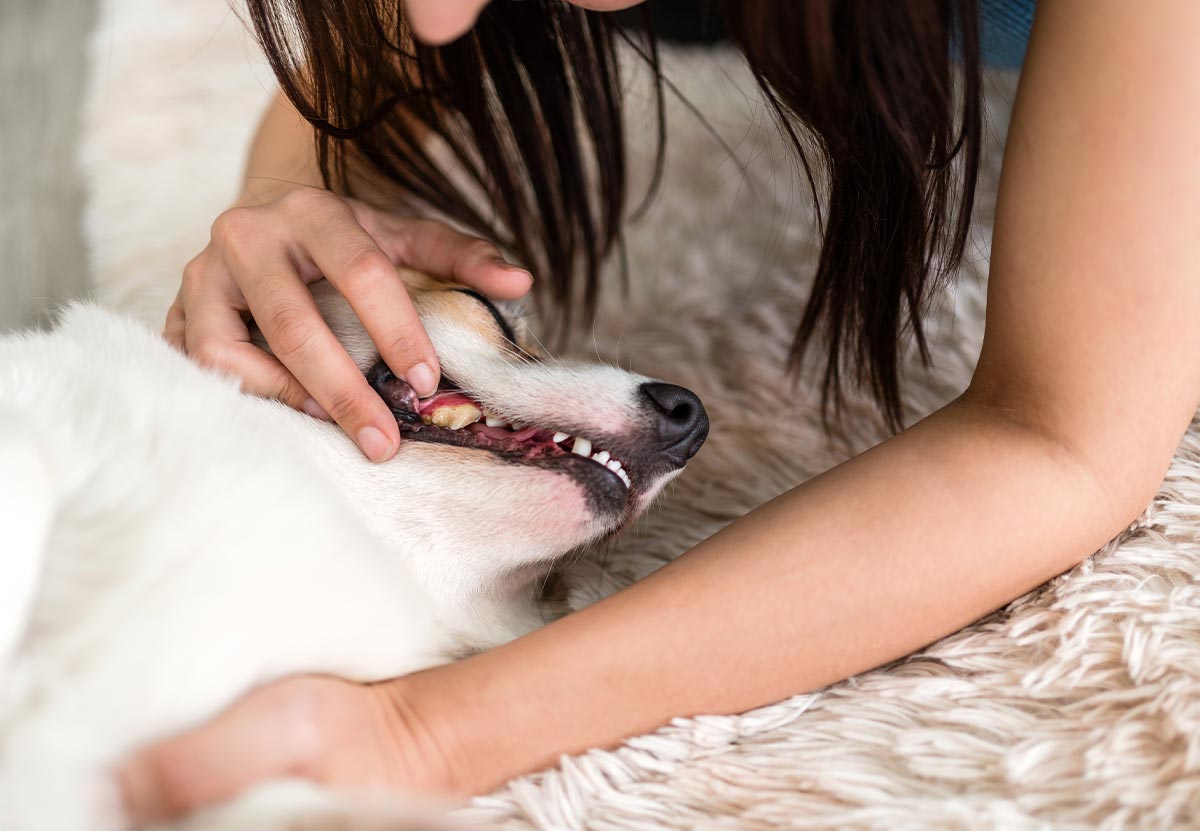
After anesthesia, most pets are quieter than usual and may sleep more for the remainder of the day. It is common for them to eat lightly that evening and experience mild mouth sensitivity for 24–48 hours. These changes are temporary and part of the normal recovery process. During the first couple of days at home, focus on keeping things calm and comfortable. Offer a small meal the evening of the procedure. Canned food or dry kibble softened with warm water can make eating easier if the mouth feels tender. Limiting vigorous activity helps prevent accidental bumps to sensitive gum tissue.
You should also monitor your pet closely. While mild drooling or slight pink-tinged saliva can occur, active bleeding or obvious discomfort is not typical. If anything seems concerning, we encourage you to call our Lake Orion, MI animal hospital at (248) 693-1677. We would much rather answer a question early than have you worry at home.
Dental Aftercare After a Routine Cleaning (No Extractions)
When no teeth are removed, recovery is usually straightforward. Most pets bounce back quickly and can resume gentle oral care within a short period of time. In general, brushing may begin within 24–48 hours after the cleaning. Use a soft-bristled toothbrush and veterinary-approved toothpaste. Human toothpaste should never be used, as it contains ingredients that are not safe for pets.
Start slowly. Lift the lip, brush a few teeth, and offer praise. Over time, you can gradually work toward brushing the entire mouth. Daily brushing provides the best defense against plaque buildup, but brushing several times per week can still make a meaningful difference. To support at-home care, consider:
- Pet-safe toothpaste
- Soft-bristled toothbrushes or finger brushes
- Veterinary-approved dental chews
Consistent home care extends the benefits of professional dental treatment and supports long-term oral health.
Dental Aftercare After a Routine Cleaning (No Extractions)
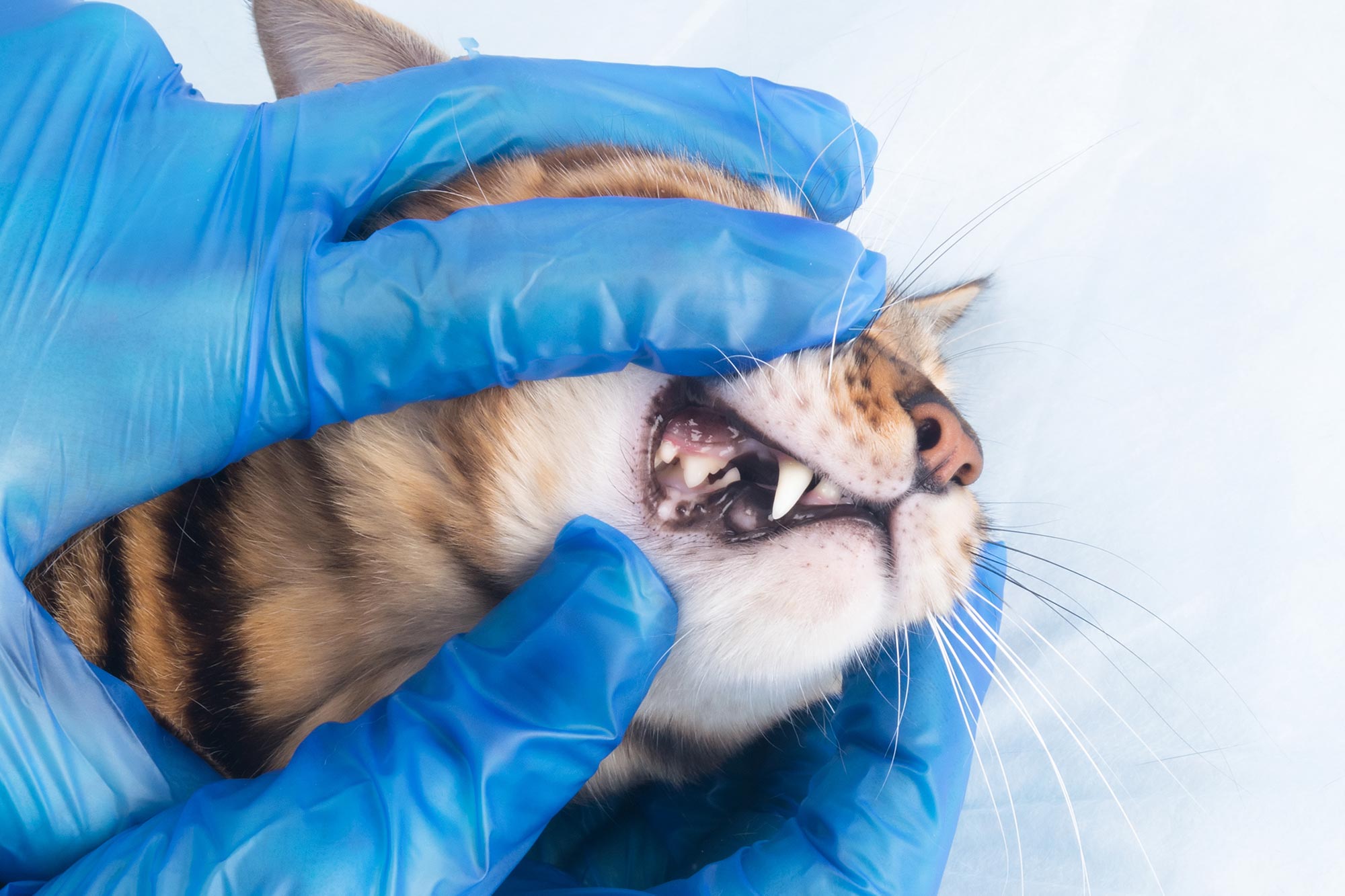
When no teeth are removed, recovery is usually straightforward. Most pets bounce back quickly and can resume gentle oral care within a short period of time. In general, brushing may begin within 24–48 hours after the cleaning. Use a soft-bristled toothbrush and veterinary-approved toothpaste. Human toothpaste should never be used, as it contains ingredients that are not safe for pets.
Start slowly. Lift the lip, brush a few teeth, and offer praise. Over time, you can gradually work toward brushing the entire mouth. Daily brushing provides the best defense against plaque buildup, but brushing several times per week can still make a meaningful difference. To support at-home care, consider:
- Pet-safe toothpaste
- Soft-bristled toothbrushes or finger brushes
- Veterinary-approved dental chews
Consistent home care extends the benefits of professional dental treatment and supports long-term oral health.
Aftercare When Teeth Were Extracted
If extractions were performed, your pet’s mouth requires additional time to heal. Gum tissue needs to close and strengthen, and protecting those surgical sites is an important part of dental aftercare. Brushing should be avoided near extraction areas for at least 7–14 days, or until your veterinarian confirms appropriate healing. Brushing too soon can irritate the tissue and delay recovery. Feeding adjustments are also important during this period. For approximately 7–10 days, provide:
- Canned food or softened kibble
- No hard treats or bones
- No rigid chew toys
Preventing rough play that involves the mouth further protects healing gum tissue. In some cases, a recheck visit may be recommended within 7–10 days so your veterinarian can evaluate the extraction sites and determine when normal oral care may resume.
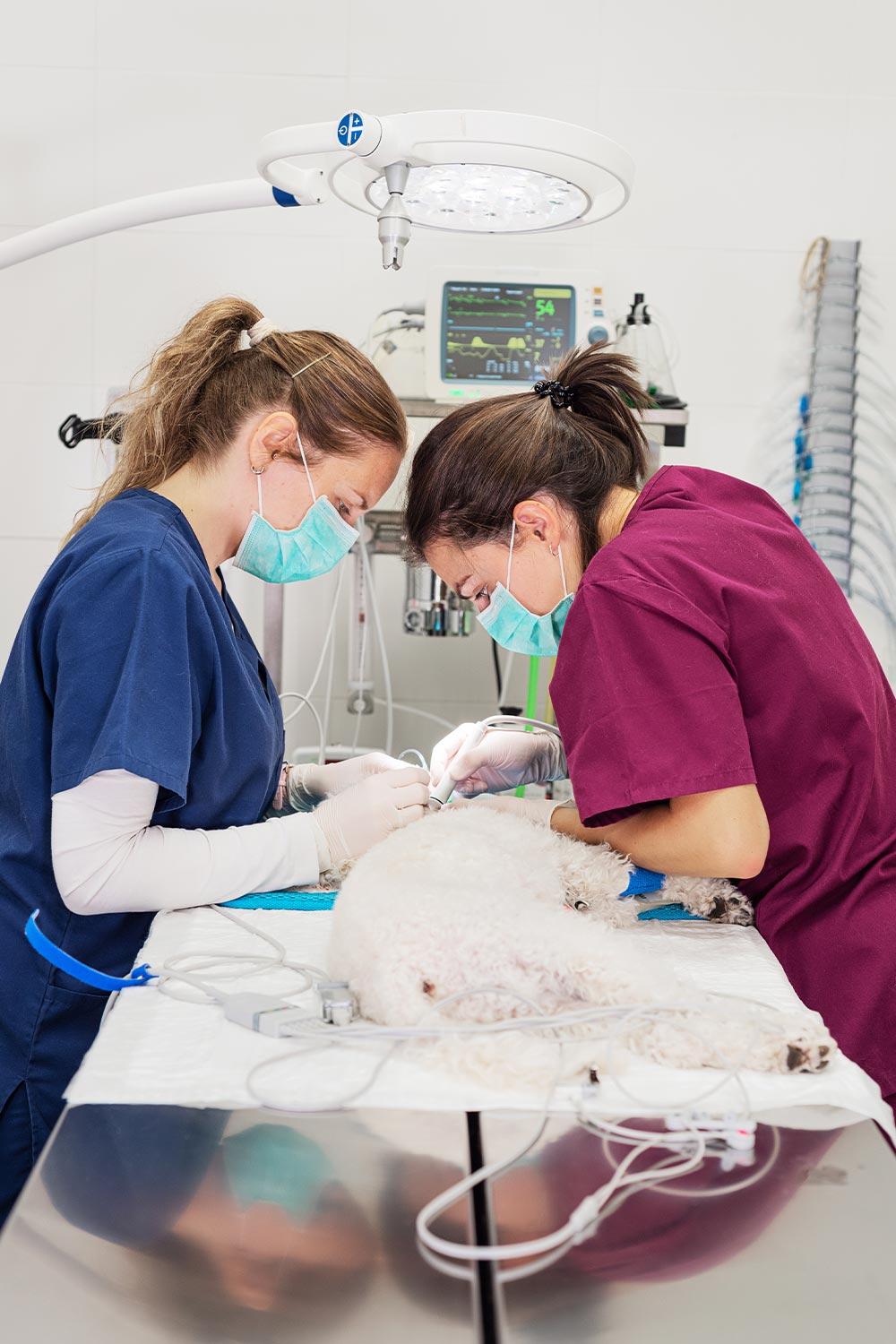
Long-Term Dental Health After a Professional Cleaning
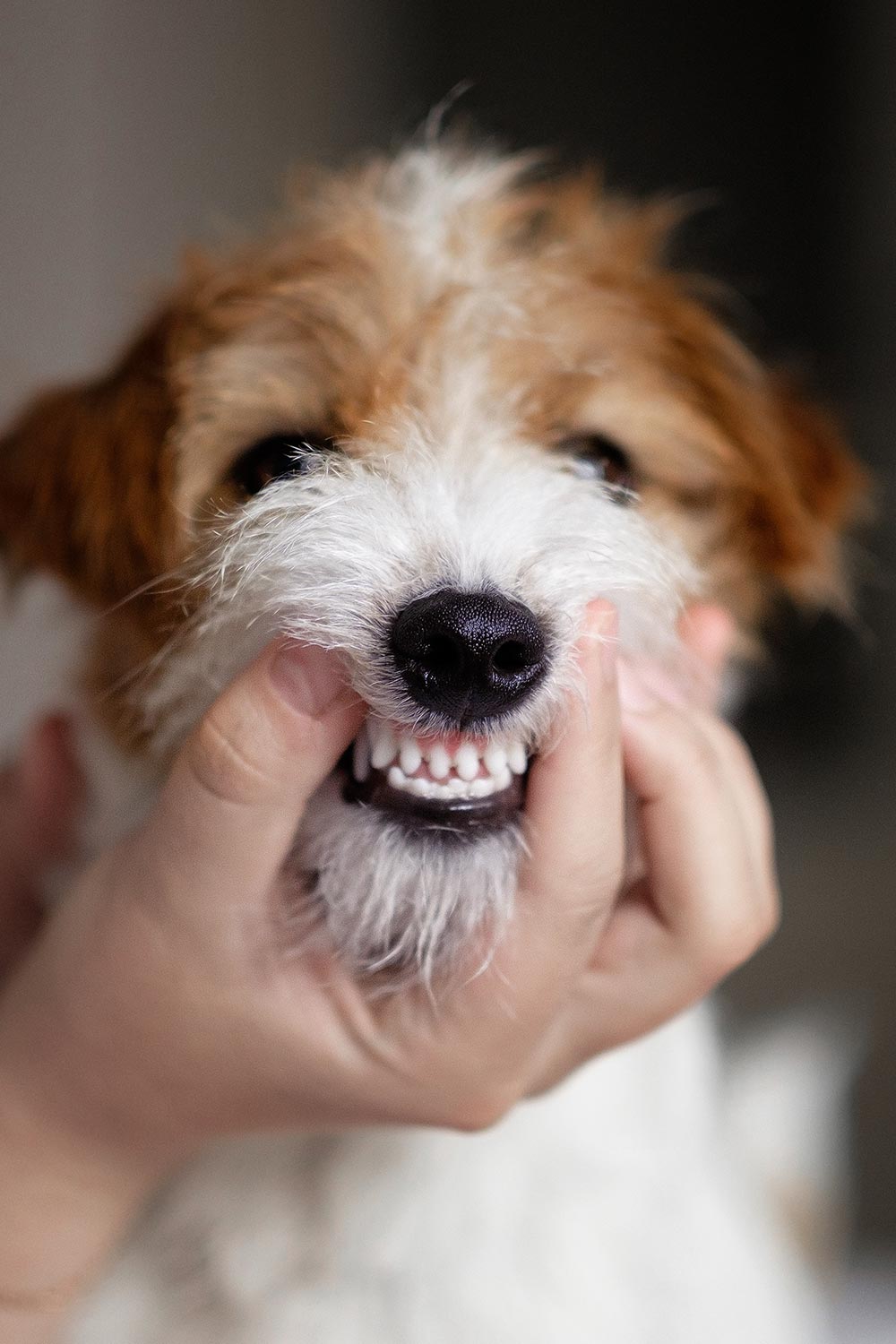
Professional cleanings remove existing plaque and tartar, but plaque begins forming again within days. Ongoing prevention is essential to reduce the risk of periodontal disease. Routine dental care at home and at our Lake Orion animal hospital works together to protect your pet’s teeth and gums. We recommend:
- Daily brushing when possible
- Veterinary-approved dental products
- Oral exams during wellness visits once or twice per year
Senior pets often benefit from dental evaluations every six months, while adult pets are typically seen annually. Regular monitoring allows your veterinarian to identify early changes before they progress into more serious dental conditions. We understand that maintaining an oral care routine for your pet can feel challenging at times. Our team is here to provide guidance and practical tips to make home care more manageable.
When to Contact Us After a Dental Procedure
Most pets recover smoothly, but certain symptoms require prompt attention such as:
- Persistent or heavy bleeding lasting more than 24 hours
- SA lack of appetite beyond the first day
- Crying while chewing or repeatedly dropping food
- Facial swelling, especially beneath the eye or along the muzzle
- Worsening bad breath
- Thick discharge
- Yellow or green drainage from the mouth
- Continuous drooling beyond 48 hours
- Persistent pawing at the mouth
- Ongoing vomiting after anesthesia
- Missing sutures or open gum tissue
If you notice any of these symptoms or behaviors, contact our team at Brinker Veterinary Hospital so we can address your concerns quickly and keep your pet’s recovery on track.
Compassionate Care Beyond the Procedure
Dental disease is one of the most common conditions we see, and proactive care makes a lasting difference. At Brinker Veterinary Hospital, we provide personalized aftercare instructions tailored to your pet’s specific procedure and health history. Our Lake Orion veterinary team combines careful monitoring, clear communication, and compassionate support throughout recovery.
If you have questions about follow up care or would like to schedule your pet’s next dental evaluation, call us or book an appointment online. Together, we can help your pet maintain healthy teeth and gums for years to come.